

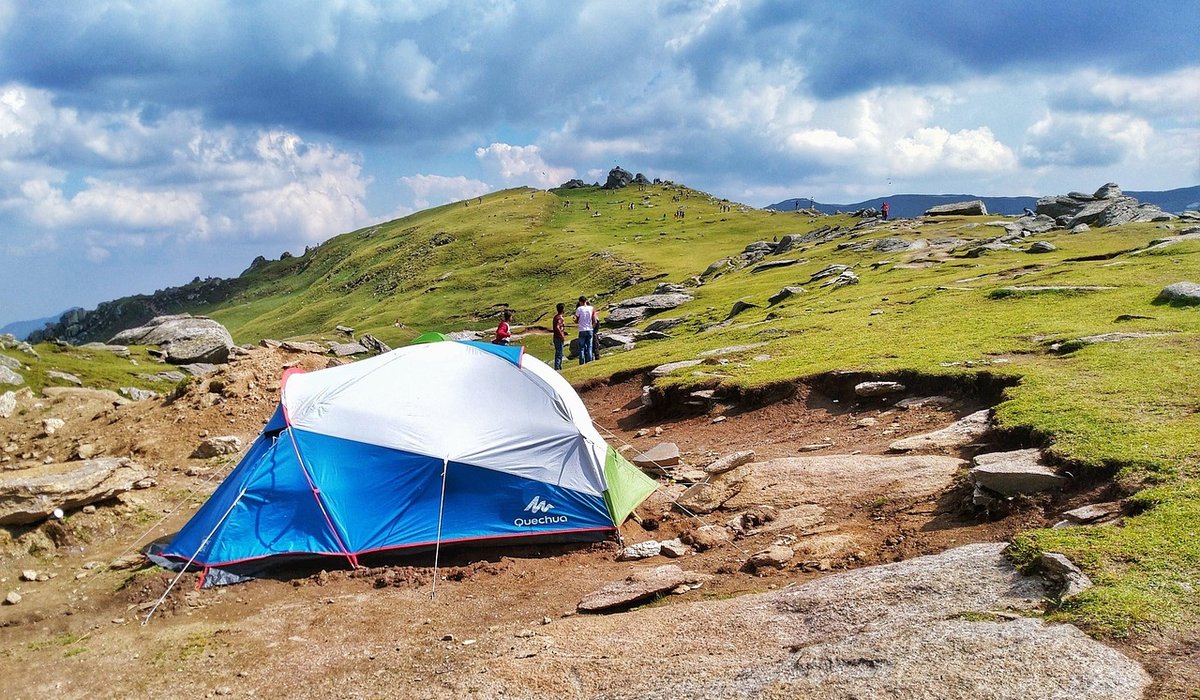
A Short Circuit Around a Highland Loch
Why a Low-Level Circuit Beats a Big Day Out
The Highland hills take the glory, and deservedly so. But some of the best days out in Scotland happen at 100 metres rather than 1,000, following a path that curls around a loch and brings you back where you started. A short circuit like this gives you birch woodland, a stretch of shoreline, open views to the hills beyond, and a decent chance of wildlife — all without a long drive, a 5am alarm, or any real commitment. It is the sort of route you can fit into an afternoon, carry a small pack on, and still come home feeling as though you have been somewhere wild.
It also makes an excellent first wild camp. The low ground is forgiving, the escape options are obvious, and you can practise your skills without being committed to a high corrie in a rising wind.
Planning the Route Before You Go
Most glens with a loch in them carry a path along one shore and often a rougher return on the far side. A 1:25,000 map will show you which is which: look for a solid path line, a stretch of forestry track, and any burns you will need to cross. A loop of four to eight kilometres is plenty, allowing two to three hours at a relaxed pace with stops.
- Check the water before you rely on a crossing. A burn that is a hop in dry weather is a waist-deep torrent after a night of rain.
- Note the forestry edges and deer fences on the map. Fences usually have stiles or gates, but not always where you want them.
- Look for the high-tide or high-water line if you plan to camp. Flat, dry ground is often further from the loch than it looks.
- Tell someone your plan and your return time, even for a short day. Phone signal in glens is patchy at best.
On the Ground: Woodland, Shore, Open Ground
The route usually gives itself up in three acts. First comes the woodland: birch, rowan and Scots pine, with a floor of blaeberry, heather and moss that soaks up footsteps. Then the trees open and you are on the shoreline, picking your way over rounded stones, patches of shingle and low rock shelves, with the water lapping a metre or two away. Finally the path rises a little onto open ground — rough grass, bracken, a scatter of juniper — and the whole glen reveals itself behind you.
Expect boggy sections after rain, and gaiters earn their place. A short section of boardwalk or a plank bridge is common on popular circuits; where it is missing, step on the tussocks rather than beside them and you will keep your boots drier.
What You Might See
Low-level lochs are extraordinarily good for wildlife because the habitat changes so quickly. Watch the water margins for heron, grey wagtail and, in summer, common sandpiper bobbing along the stones. Red-breasted mergansers and goldeneye favour the shallows, and a dipper may be working the burn where it enters the loch. Red squirrels are still common in the native pinewoods of the central and eastern Highlands, and pine marten scats on a forest track are a fair sign one is about.
Otters leave their spraints on prominent rocks, so check any boulder that stands proud of the shore. Above you, buzzards will be circling, and a golden eagle is always a possibility on a bright, breezy day. Sit still for twenty minutes with your back to a tree and the glen will carry on around you as though you were not there.
Wild Camping on the Shore
Scotland's access rights allow wild camping on most unenclosed land, but with that freedom comes the expectation that you leave nothing but footprints. A small, quiet pitch is the whole point.
- Pitch above the high-water mark on firm, well-drained ground, and move on after one night.
- Keep away from buildings, roads and the obvious honeypot car parks. Twenty metres is a sensible minimum, more is better.
- Use a stove, not a fire. Deadwood is habitat, and a fire scar on a shoreline lasts for years.
- Carry everything out, including food waste and any toilet paper. Bury human waste well away from water.
- Check local byelaws if you are near a popular national park loch, where camping is sometimes restricted to certain areas in summer.
Skills Worth Practising
A short circuit is the ideal training ground. Practise pacing and timing on ground you know, so you learn what three kilometres an hour actually feels like with a pack on. Take a bearing between two features and walk it. Read the cloud on the hills: a cap that lifts by mid-morning usually means a fine afternoon, a cap that drops and darkens does not.
Learn to judge wind on water — a dark, ruffled patch means gusts coming down the glen, and it will hit you on the exposed shoreline. And practise pitching your shelter quickly in the rain, because that is when you will need it.
When to Go and What to Carry
These routes work all year. Spring brings migrants and a green haze on the birches; early summer is the finest light but also the midges, so take a head net and pitch with a breeze in your face. Autumn gives you colour and roaring stags. Winter is quiet and beautiful, though daylight is short and paths can be icy.
Carry a waterproof jacket and trousers, a spare warm layer, water and something to eat, a paper map and compass, a head torch, and a small first-aid kit. That is a light load for a big return — and on a short Highland circuit, it is usually all you need.


Hill Walks
-
Always balance weight, calories, and taste with oatcakes, nuts, dried fruit, and a warm flask for daily energy.

Wild Camping



-

Long established fact that a reader will be distracted
-

Long established fact that a reader will be distracted
-

Long established fact that a reader will be distracted




Long Distance
Karla Gleichauf
12 May 2017 at 05:28 pm
On the other hand, we denounce with righteous indignation and dislike men who are so beguiled and demoralized by the charms of pleasure of the moment
M Shyamalan
12 May 2017 at 05:28 pm
On the other hand, we denounce with righteous indignation and dislike men who are so beguiled and demoralized by the charms of pleasure of the moment
Liz Montano
12 May 2017 at 05:28 pm
On the other hand, we denounce with righteous indignation and dislike men who are so beguiled and demoralized by the charms of pleasure of the moment