

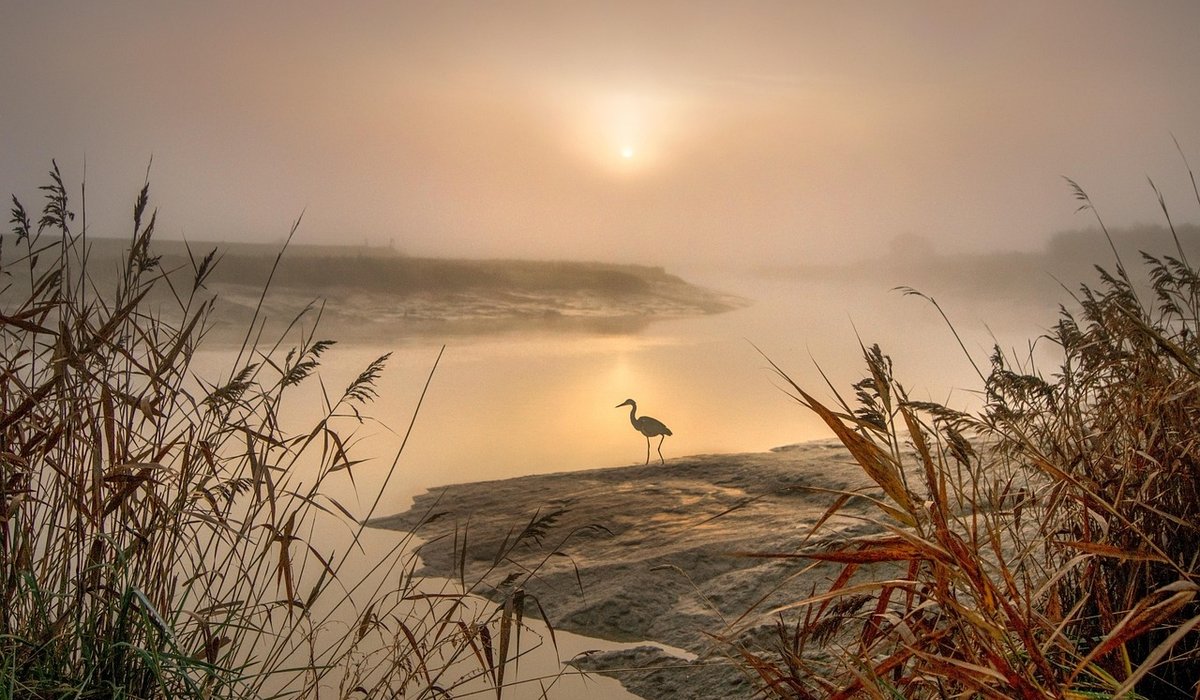
Lightweight Gear for Three-Season Glen Walking
Why Lightweight Matters in the Glens
A long day in a Scottish glen asks a lot of you. You might leave a car park in warm sunshine, be soaked by a squall an hour later, and be glad of a hat and gloves by the time you drop off a bealach. Add a wild camp into the mix and suddenly every gram you carry has to earn its place. The answer is not to buy the most expensive kit on the shelf, but to choose a few well-made items that work hard and pack small. Three-season walking — roughly spring through autumn, though snow can linger on the high ground well into May — is about managing change rather than surviving extremes.
This guide covers the pieces I reach for most often on multi-day routes through glens like those around Glen Affric, the Cairngorms and the southern Highlands. Get these right and your pack will sit lighter, your shoulders will thank you, and you will move faster and further with less effort.
Build Your Layers Around Movement
The classic mistake is carrying one big warm jacket and no flexibility. In practice you will warm up fast on a climb, then cool quickly the moment you stop. A three-layer system lets you adjust without emptying your pack every ten minutes.
- Base layer: a thin merino or synthetic long-sleeve top. Merino resists smell over several days, which matters on a wild camp. Avoid cotton entirely — it holds water and chills you when the wind picks up.
- Mid-layer: a lightweight fleece or a thin synthetic jacket. Around 250–300g is plenty for three-season glens. This is your workhorse layer for cool mornings and breezy summits.
- Insulation layer: a down or synthetic jacket around 300–400g, kept dry in a stuff sack. It is for rest stops, camp and cold evenings, not for walking in unless it is genuinely bitter.
Pack a spare base layer for camp. Putting on dry, warm clothing after a long wet day is one of the great small pleasures of backpacking, and it helps you sleep properly.
Waterproofs You Actually Trust
Scottish rain is rarely a gentle drizzle. It arrives sideways, and it can settle in for hours. A waterproof that wets out after twenty minutes is worse than useless because you will stop believing it and start making poor decisions.
Look for a jacket with a hydrostatic head of at least 20,000mm, taped seams and a hood that cinches down without blocking your vision. Pit zips are worth the small weight penalty — being able to dump heat on a climb keeps you drier from the inside. Trousers should have full-length side zips so you can pull them on over boots without stopping to undress in the rain.
Keep your waterproofs on top of your pack, not buried. A light shower bag, or simply the lid of your rucksack, saves you a full unpack when the weather turns. Reproof them with a wash-in or spray-on treatment each season; a clean, freshly treated jacket beads water far better than a grubby one.
Socks and Footwear: Small Details, Big Days
Blisters end more Scottish trips early than any storm. They almost always come from damp feet, grit and poorly fitted socks. Get this area right and everything else feels easier.
- Choose wool-rich socks with a little synthetic content for durability. They cushion, wick and stay warm even when wet.
- Take a thinner liner sock if you are prone to rubbing. The two layers move against each other rather than against your skin.
- Carry two pairs for walking and one dry pair reserved for camp and sleep. Rotate them so one pair is always airing.
- Avoid heavy, tight socks. They restrict circulation and cause cold feet on long descents.
Boots or trail shoes both work. Shoes dry faster and suit firm tracks and drier ground; boots give more support on rough, boggy terrain. Whichever you choose, break them in before a long trip and keep toenails trimmed short to avoid bruising on steep descents.
A Stove That Never Lets You Down
After a wet, long day, a hot meal and a brew are not luxuries — they are morale, warmth and hydration all at once. A reliable stove is the one piece of camp kit I will never compromise on.
A simple gas canister stove with a remote or integrated pot is light, stable and easy to use. Around 100g for the burner, plus a canister, covers a solo walker comfortably. Wind is your main enemy, so choose a model with a decent windshield or carry a folding foil one. Boil times stretch badly in a glen breeze, and you will burn through canisters fast.
Take a small, sealed lighter as a backup, and know your fuel maths: a 100g canister typically boils several litres, enough for a few days of dehydrated meals and hot drinks if you use it sensibly. Use a lid, shield from the wind, and never cook inside a closed tent — carbon monoxide is a serious risk.
Keeping the Pack Light on the Hill
Weight adds up quietly. A few habits keep the load honest without leaving you short.
- Weigh everything once and question anything you have not used by the end of a trip twice in a row.
- Carry water in soft bottles and refill from burns where safe, rather than hauling litres uphill.
- Repackage food into bags rather than boxes, and plan meals precisely.
- Layer your sleep system — a lighter bag plus a liner often beats one heavy bag.
Lightweight kit is not about deprivation. It is about carrying less so the glen feels bigger, the miles feel shorter and the quiet moments at camp feel earned. Sort your layers, trust your waterproofs, look after your feet and carry a stove you believe in — then go and enjoy the hills.


Hill Walks
-
Scan ridges and updraughts quietly with binoculars early morning, keeping a respectful distance from nests and feeding grounds.
Wild Camping



-

Long established fact that a reader will be distracted
-

Long established fact that a reader will be distracted
-

Long established fact that a reader will be distracted



Long Distance
Karla Gleichauf
12 May 2017 at 05:28 pm
On the other hand, we denounce with righteous indignation and dislike men who are so beguiled and demoralized by the charms of pleasure of the moment
M Shyamalan
12 May 2017 at 05:28 pm
On the other hand, we denounce with righteous indignation and dislike men who are so beguiled and demoralized by the charms of pleasure of the moment
Liz Montano
12 May 2017 at 05:28 pm
On the other hand, we denounce with righteous indignation and dislike men who are so beguiled and demoralized by the charms of pleasure of the moment