

Recognising Deer Tracks and Signs in Woodland
There’s a particular stillness in a Scottish glen at first light, broken only by the call of a black grouse or the distant bark of a stag. In that quiet hour, the woodland reveals its secrets to those who know how to look. Deer are creatures of habit, and their tracks and signs tell a story of movement, feeding and rest. Learning to read those signs is a skill that deepens every walk and wild camp, whether you’re in the Cairngorms, the Trossachs or a remote corner of Argyll. It also helps you avoid disturbing the very animals you’ve come to admire.
Reading the ground: tracks and trails
Start by looking for the obvious: a clear print in soft mud, wet moss or fresh snow. Deer have cloven hooves, leaving two distinct cleats that form a heart shape when seen together. The front of each cleat is pointed, the back rounded. Size matters. A mature red deer stag leaves a print around 7–9 cm long, while a roe deer’s is a dainty 4–5 cm. Sika and fallow sit in between, and fallow prints are often splayed wider. Look for the dew claws – two small dots behind the main hoof – which show when the animal has been running or on soft ground.
More useful than a single print is a trail. Deer follow the path of least resistance, contouring hillsides, crossing burns at shallow fords and weaving through mature woodland. These “deer highways” appear as trampled lines in grass or heather, often worn bare. In leaf litter, you’ll see slots – the outline of the hoof – pressed into the debris. A walking deer leaves a stride of about 50–70 cm for red deer and 30–40 cm for roe. When alarmed, the stride lengthens and you may find bound marks, where all four feet land close together.
- Look for tracks on north-facing slopes where the ground stays damp longer.
- Follow a trail quietly and note where it crosses a fence or wall – deer use regular crossing points.
- Check for hairs snagged on barbed wire or low branches; red deer hair is coarse and dark, roe hair finer and reddish-grey.
Droppings: the quiet tell-tale
Deer droppings are the most reliable sign, and they’re everywhere once you tune in. In summer, when deer feed on lush grass and herbs, the pellets are soft and clumped together. In winter, when they browse bark, heather and conifer needles, the droppings become hard, dark and separate. Red deer pellets are large – up to 2.5 cm long – cylindrical and sometimes pointed at one end. Roe deer droppings are smaller, around 1–1.5 cm, shiny black when fresh and often pointed at both ends. Sika are similar but slightly larger than roe, while fallow produce flatter, wrinkled pellets that look like small cow pats.
Fresh droppings have a glossy sheen; older ones turn dull and grey. You’ll often find them in latrines – communal dung heaps used by roe and sometimes fallow – usually on a prominent tussock or fallen log. Look under trees where deer have paused to rest, and along trails. At dawn, you might even see steam rising from a fresh pile, a sure sign that the deer are just ahead.
Bark damage and browsing
In late winter and early spring, when other food is scarce, deer turn to bark. Red and sika deer strip bark from trees, often high up, leaving vertical tooth marks and exposed pale wood. They favour smooth-barked species like ash, rowan and young oaks. Roe deer are more delicate: they fray saplings and strip bark in narrow strips, usually below 1.5 metres. A sure sign of roe is a “browse line” – a distinct horizontal line below which all shoots and leaves have been nibbled away, leaving a neat, trimmed edge. Above that line, the vegetation is untouched.
Look also for fraying marks on tree trunks. Male deer rub their antlers on saplings and small trees to remove velvet in late summer and to mark territory in autumn. Roe buck fraying is on thin stems, often willow or hazel, and the bark is shredded and hanging in strips. Red and sika stags use larger trees, and you may find broken branches and gouged earth where they’ve thrashed. Browsing damage on young trees shows sharp, angled cuts – unlike the ragged tear of a rabbit or the clean bite of a sheep.
Beds, scrapes and other signs
Deer need rest, and they leave behind flattened patches in grass, heather or bracken. These beds are often on dry knolls with good views and a downwind escape route. Roe deer beds are small and circular, about the size of a dinner plate; red deer beds are larger and oval, sometimes with a few hairs left behind. At dawn, a bed may still feel warm to the touch – a thrilling clue that the animal has just moved on.
Bucks and stags also create scrapes: patches of pawed earth where they urinate and mark with scent glands. You’ll find them on trails and field edges, often with overhanging branches that have been chewed. In wet areas, red deer create wallows – muddy hollows where they roll to cool down and deter insects. Antler rubbing on trees leaves smooth, polished patches. And in late summer, look for “couch” marks in tall vegetation – flattened areas where a deer has been lying up during the day.
Putting it together: a dawn approach
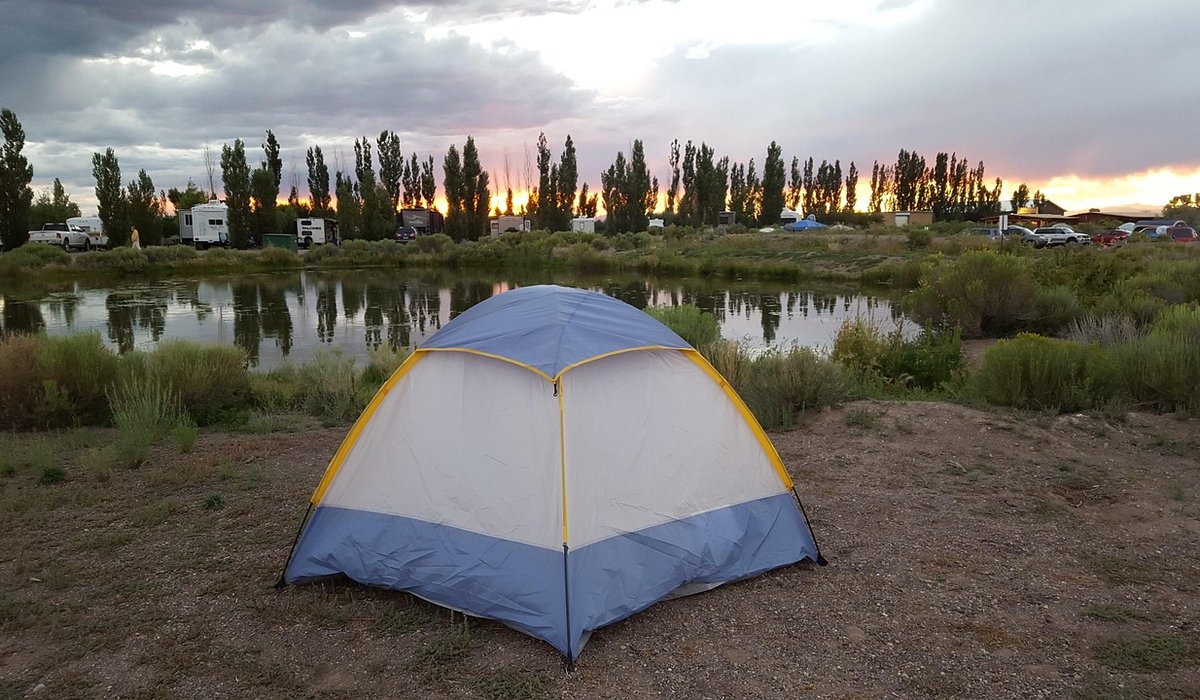
Understanding deer sign is one thing; using it is another. The best time to observe deer is the first hour after dawn and the last hour before dusk. Walk quietly, into the wind, and stop frequently. Use binoculars to scan ahead for movement, not just shape. Deer see movement well, so keep low and avoid sky-lining yourself. A map helps – identify likely crossing points, feeding areas and sheltered valleys. Wild campers should pitch away from trails and water sources, and leave no trace. The skill grows with practise. Next time you’re in a glen, pause at a trampled path, note the droppings, the frayed sapling, the flattened bed. You’ll begin to see the woodland not as a static backdrop, but as a living map of deer movement – and your walks will be richer for it.


Hill Walks
-
Always set the map, take a bearing, and walk on a steady bearing to avoid drifting off course.
Wild Camping



-

Long established fact that a reader will be distracted
-

Long established fact that a reader will be distracted
-

Long established fact that a reader will be distracted




Long Distance
Karla Gleichauf
12 May 2017 at 05:28 pm
On the other hand, we denounce with righteous indignation and dislike men who are so beguiled and demoralized by the charms of pleasure of the moment
M Shyamalan
12 May 2017 at 05:28 pm
On the other hand, we denounce with righteous indignation and dislike men who are so beguiled and demoralized by the charms of pleasure of the moment
Liz Montano
12 May 2017 at 05:28 pm
On the other hand, we denounce with righteous indignation and dislike men who are so beguiled and demoralized by the charms of pleasure of the moment