

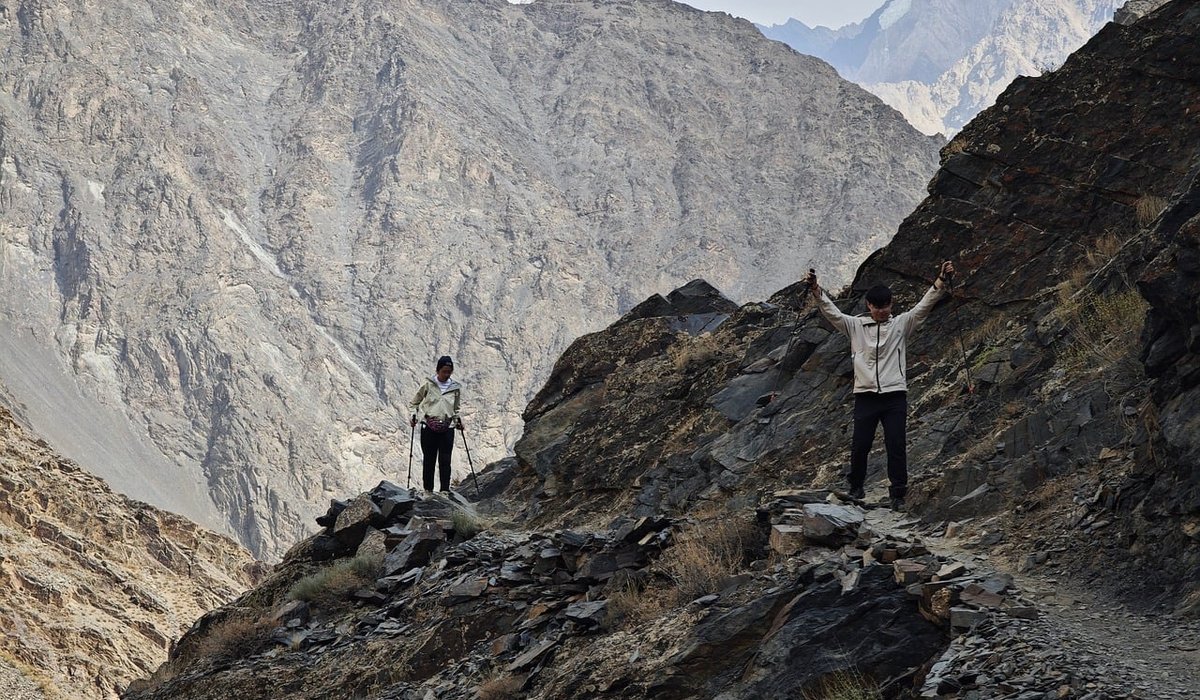
What to Pack for a Day in the Glens
You can set off into a Scottish glen under a blue sky and finish the day soaked to the skin, windswept and wondering where the last six hours went. That is not pessimism; it is the reality of walking in places where the weather decides the plan. The good news is that a well-thought-out day pack weighs very little and turns a potential epic into a memorable one for all the right reasons. Whether you are heading up a Munro, following a river through a quiet glen, or simply wandering with a map and a flask, the essentials stay the same.
Waterproofs and Warm Layers, Whatever the Forecast
Pack waterproofs even in July. A lightweight jacket and trousers that pack down small are non-negotiable. Scottish glens funnel weather in ways that lowland forecasts rarely capture, and a warm, sunny car park can become a cold, wet col within an hour. Your waterproofs should be breathable enough to wear while moving, and they should live at the top of your rucksack, not buried at the bottom.
Beneath them, think in layers. A synthetic or wool base layer moves sweat away from your skin, a fleece or light synthetic jacket traps warmth, and a windproof mid-layer adds another barrier. Always carry a spare warm layer in a dry bag, even if you set off in shorts and a T-shirt. A hat, gloves and a buff weigh almost nothing and make a huge difference when the wind picks up. Avoid cotton next to your skin; once it is wet, it stays wet and chills you quickly.
Navigation You Can Actually Use
A paper map and a compass are not nostalgic extras. They are your primary navigation tools, and they work when batteries fail, screens crack or signal disappears. Choose a map at the right scale for the ground you are covering, and keep it in a clear map case. Know how to set the map with your compass, take a bearing, and follow a bearing over rough ground. Practise these skills on short, easy walks before you need them in clag.
- Map: laminated or in a case, folded to the area you need.
- Compass: a simple baseplate compass is fine; know how to use it.
- Head torch: carry one even in midsummer. A twisted ankle or a wrong turn can easily push you into dusk. Check the batteries before you leave.
A GPS device or phone app can be a useful backup, but do not let it replace the map and compass. Treat it as a second opinion, not the main plan.
Food, Water and Fuel for the Legs
Walking in the glens burns more energy than you might expect, especially on rough ground or in a headwind. Bring more food than you think you need, and choose things that are easy to eat on the move. Sandwiches, oatcakes, nuts, dried fruit, chocolate and a flask of hot tea or soup are all excellent. A small emergency ration—a couple of cereal bars or a packet of nuts—should stay in your pack for the walk home, just in case.
- Water: carry at least one litre, more in hot weather or on long days. A filter or purification tablets let you refill from clean-looking burns, but always treat water from the hills.
- Food: high-energy snacks, a proper lunch, and a hot drink in a flask.
- Emergency ration: something that does not need cooking and will not crush.
Outdoor Skills That Earn Their Place
The right kit is only half the story. A few simple skills make you safer and more comfortable in the glens. Learn to read the ground and the sky: darkening clouds, a drop in wind, or a sudden chill often mean change is coming. Pace yourself so you have energy left for the descent, and turn back if conditions worsen or time runs short. River crossings deserve respect; unbuckle your rucksack waist belt and chest strap before you step into moving water, and use a stick or a partner for balance. If you are wild camping, the same skills apply: choose a pitch that drains well, leave no trace, and know how to pitch your shelter quickly in wind and rain. Midges can be ferocious in still, damp conditions, so a head net and repellent are worth their weight from May to September.
Pack for the Unexpected
Even a short day in the glens can turn into a longer one. A few small items add negligible weight but can make a real difference if plans change. Carry a basic first aid kit, including blister plasters and a tick tool. A lightweight emergency shelter or bivvy bag can protect you from the wind and rain if you have to wait for help or sit out a squall. A whistle, spare batteries for your head torch, and a fully charged phone in a waterproof pouch round out the safety kit. If there is any chance you might extend your walk into a wild camp, add a lightweight sleeping bag, mat and stove—but for a day trip, the essentials above are enough to keep you safe, warm and moving.


Hill Walks
-
Always respect private land, follow signs, and keep to paths where access rights allow responsible walking in the hills.
Wild Camping


-

Long established fact that a reader will be distracted
-

Long established fact that a reader will be distracted
-

Long established fact that a reader will be distracted


Long Distance
Karla Gleichauf
12 May 2017 at 05:28 pm
On the other hand, we denounce with righteous indignation and dislike men who are so beguiled and demoralized by the charms of pleasure of the moment
M Shyamalan
12 May 2017 at 05:28 pm
On the other hand, we denounce with righteous indignation and dislike men who are so beguiled and demoralized by the charms of pleasure of the moment
Liz Montano
12 May 2017 at 05:28 pm
On the other hand, we denounce with righteous indignation and dislike men who are so beguiled and demoralized by the charms of pleasure of the moment