

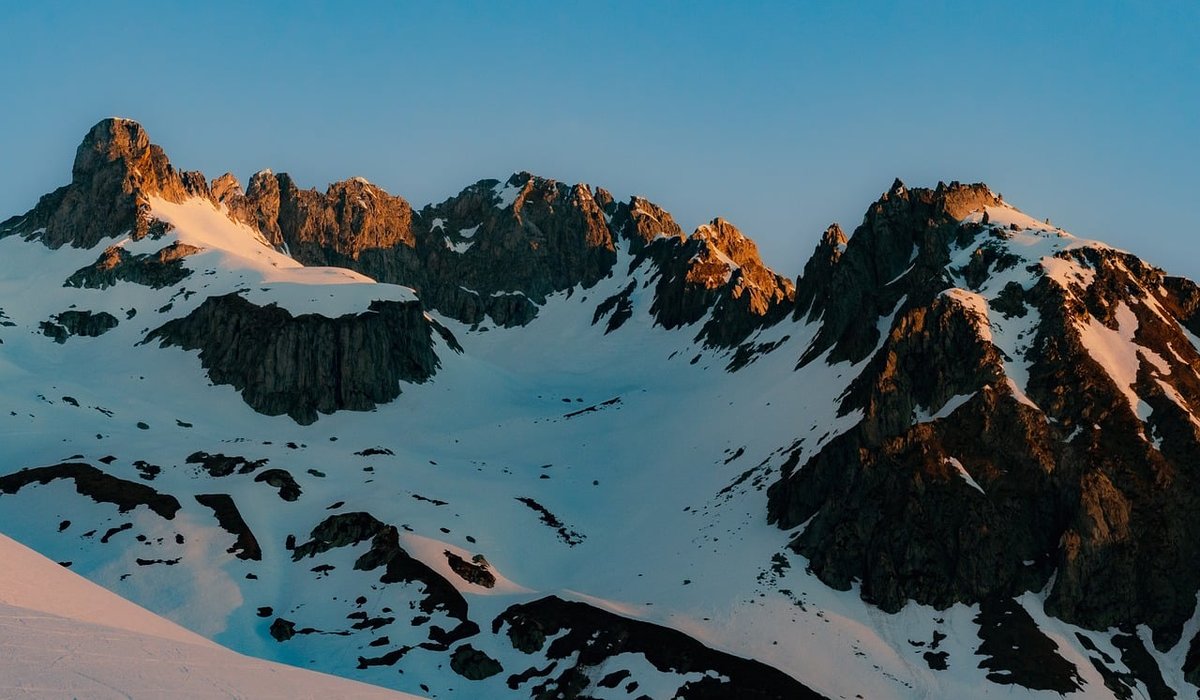
Understanding Access Rights on Scottish Hills
The Right to Roam — But Not Everywhere
Scotland’s hills and glens are wonderfully open, thanks to the Land Reform (Scotland) Act 2003. This gives you a statutory right of responsible access to most land and inland water, from the Cairngorms to the Southern Uplands. But it’s not a free-for-all. The Scottish Outdoor Access Code sets out what responsible means in practice, and it asks you to respect private land, follow signs, and keep to paths where access rights allow responsible walking in the hills. Understanding those boundaries makes for happier days out for everyone.
What Access Rights Actually Allow
Access rights are broad, but they are specific. They cover walking, cycling, horse riding, wild camping, canoeing, and other quiet, non-motorised activities. You can cross most land, including moorland, forest, and open hillside, even where there is no path — provided you do so responsibly.
- Walking and scrambling on open hills, including off-path routes.
- Wild camping in small numbers, for a night or two, away from enclosed fields.
- Cycling and horse riding on tracks and open ground where it causes no damage.
- Canoeing and wild swimming on most inland water.
What access rights don’t cover: motorised vehicles off road, hunting, fishing without permission, or any commercial activity. For those, you need the landowner’s consent.
Where Access Rights Don’t Apply
Some places are out of bounds. You cannot roam through a private garden, a house, or a farmyard. Land where crops are growing is also excluded — so avoid walking through a field of barley or turnips. Building sites, quarries, and military ranges are off limits too, often with clear signs.
Local byelaws can also restrict camping in some popular loch shores during summer months, so check before you pitch. And if a sign says a route is temporarily closed for tree felling or a sporting event, treat it as a firm request. Access rights are not a licence to ignore land management.
Respect Private Land and Follow Signs
Most landowners are relaxed about walkers who behave well. The trouble comes when gates are left open, livestock are disturbed, or litter is left behind. A few practical habits keep access rights alive for everyone.
- Leave gates as you find them — open or closed, it matters to someone.
- Keep dogs under close control, or on a lead during lambing (April–May) and around ground-nesting birds (March–July).
- Heed stalking signs. Red deer stalking runs from 1 July to 20 October for stags, and later for hinds. Estates may ask you to use an alternative route on weekdays.
- Park considerately — never block a gate, track, or passing place.
Signs are not always a ban. A sign saying “stalking in progress” is a request to avoid a particular glen for a day or two. Respect it, and you’ll find the hills stay open to you.
Wild Camping in the Glens
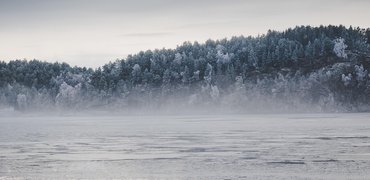
Wild camping is one of the great joys of Scottish glen walking. To keep it that way, camp light and leave no trace. Use a small tent, stay no more than two or three nights in one spot, and move on before you wear a patch bare. Avoid enclosed fields with livestock, and don’t camp right next to a road or building.
- Use a stove rather than an open fire. Fires scar the ground and can spread in dry weather.
- Bury human waste at least 30 metres from water, in a hole 15–20cm deep. Carry out all litter, including food scraps.
- Keep groups small — two or three tents is fine; a dozen is not.
- Arrive late, leave early, and avoid disturbing wildlife at dawn and dusk.
If you’re in a popular area like Loch Lomond or the Trossachs, check for seasonal camping byelaws. They exist to protect fragile shores, not to spoil your fun.
Outdoor Skills for Responsible Access
Good skills make access rights easier to exercise. Navigation with a map and compass is essential — phone batteries die, and cloud can swallow a ridge in minutes. Check the mountain weather forecast, and carry waterproofs even on a bright morning. Midges are fierce from June to August, so a head net and repellent earn their place in your pack.
Learn to read the land: where a path is braided and eroded, walk on the firmest line; where a sign asks you to keep to a track during muirburn season (usually spring), do so. These small choices show that walkers can be trusted. Scotland’s access rights are generous, but they depend on our collective good behaviour. Treat every glen as if it were your own — and leave it as you found it.


Hill Walks
-
Always bring a stove, use only designated surfaces, and carry out all rubbish to protect these shared shelters.

Wild Camping


-

Long established fact that a reader will be distracted
-

Long established fact that a reader will be distracted
-

Long established fact that a reader will be distracted



Long Distance
Karla Gleichauf
12 May 2017 at 05:28 pm
On the other hand, we denounce with righteous indignation and dislike men who are so beguiled and demoralized by the charms of pleasure of the moment
M Shyamalan
12 May 2017 at 05:28 pm
On the other hand, we denounce with righteous indignation and dislike men who are so beguiled and demoralized by the charms of pleasure of the moment
Liz Montano
12 May 2017 at 05:28 pm
On the other hand, we denounce with righteous indignation and dislike men who are so beguiled and demoralized by the charms of pleasure of the moment