

Reading a River Crossing on a Long Distance Route
Start with the map, then read the ground
On a long distance route through the Scottish glens, the blue line on the map is only a promise. It tells you where water runs, not how deep or fast it will be when you arrive. A burn that a shepherd steps over in the morning can be a waist-deep torrent by mid-afternoon after rain on the hills. So treat every crossing as a decision, not a formality. Before you leave the track, look for the obvious alternatives: a bridge, stepping stones, a footpath that swings to a wider gravel bed. A detour of a kilometre is cheap. A swim with a full pack is not.
Look for braided shallows and gravel tongues
When you reach the water, stop and watch. The safest crossings usually show themselves as braided channels spread across a gravel flat. These are the shallows: water breaks into ribbons, each one knee-deep at most, with dry or nearly dry bars between them. A riffle — a stretch of small, broken waves over stones — also signals shallow ground. So does the inside of a bend, where the current slows and drops its load of sand and gravel. A widening in the channel does the same: the same volume of water spread over more ground is always shallower.
Move upstream or downstream a little to find these features. On a long route, the best crossing point is often twenty or thirty metres away from where the path meets the bank. Look for a tongue of smooth water over gravel, with a clear exit on the far side. Check that the bank is not undercut or fringed with deep heather and bog. You want an easy step out, not a scramble up a peaty wall.
What deep water looks like — and why to avoid it
Deep water has a different language. It is dark, smooth and quiet. A pool or glide with no surface texture, no bubbles and no visible stones is likely to be over your knees and possibly much deeper. Avoid the outside of a bend, where the current has scoured a deep channel. Avoid the crease where two flows meet below a confluence, and the churning boil below a rock or ledge. In Scotland, also be wary of any burn below a dam, weir or hydro intake. Levels can rise without warning when water is released, even on a dry day.
- Dark colour usually means depth or peat-stained water that hides the bottom.
- Smooth, glassy surface means a steady, powerful flow with no stones to break it.
- Undercut banks are often deep right at the edge, where you least expect it.
- Debris — branches, fence wire, dead sheep — can trap a leg or a pack.
Technique: unclip, face upstream, take small steps
If you have decided to cross, prepare properly. Unclip your rucksack's hip belt and sternum strap so you can shed it if you fall. Keep the pack on your back for now; it can help you stay buoyant, but only if you are free of it. Use two poles if you have them, planted upstream as a third and fourth leg. Choose footwear that drains: bare feet are painful on gravel and offer no grip, while heavy boots become anchors. Cross one at a time, with the strongest person going first and a spotter watching from downstream. Do not link arms in fast water; if one person falls, the group can be pulled in.
Face upstream. Move sideways with small, shuffling steps, feeling for stable stones. Let the current help you by angling slightly downstream as you go, but never turn your back on the flow. Keep your eyes on the far bank, not your feet, and breathe. If the water reaches your waist or the force pushes you off balance, turn around and go back. There is no shame in retreat.
Turn back sooner than you think
The most important outdoor skill is knowing when not to cross. A simple rule: if the water is above your knee, or if you cannot see your feet in the shallows, do not cross. If it is rising — listen for a change in sound, watch for new debris — get out and stay out. Scottish weather can turn a gentle burn into a spate in an hour. Snowmelt makes many crossings lowest in early morning and highest in late afternoon. Rain on the far hills can raise a river even if your own valley is dry.
If you are unsure, wait. Put on a warm layer, eat something, and give the water twenty minutes. If it is still too high, walk out to a bridge or camp and try again in the morning. A long distance route is not a race. The glen will still be there tomorrow.
After the crossing: warm, dry and camp wisely
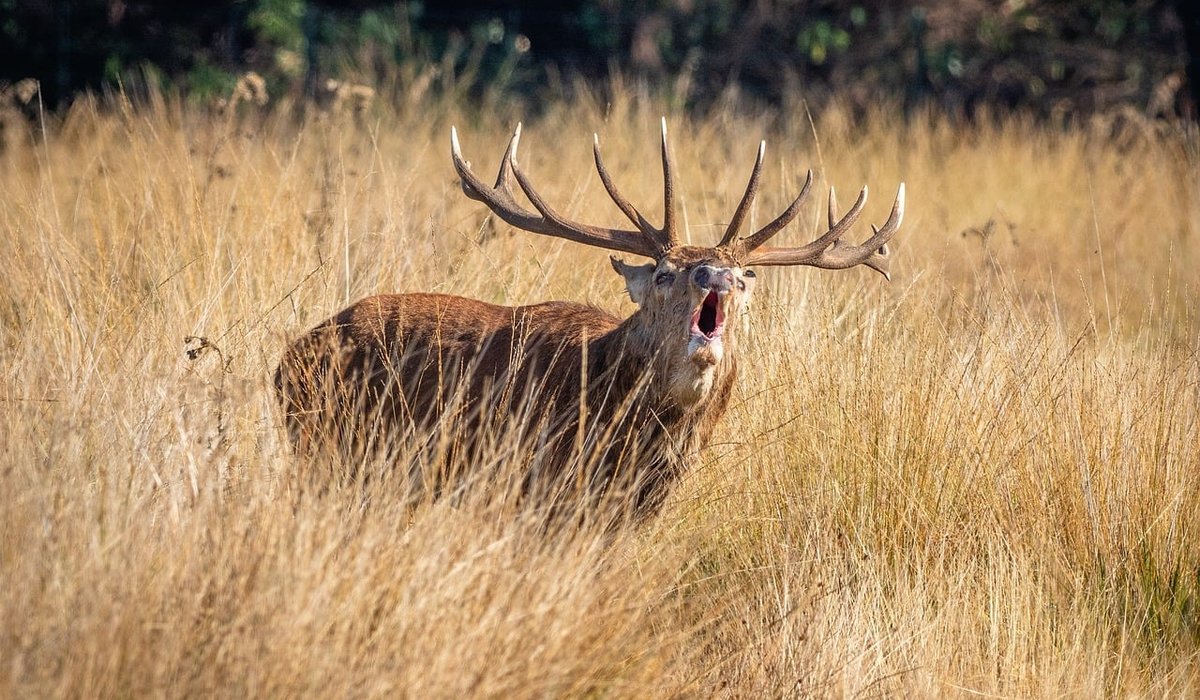
Once you are across, do not simply walk on in wet boots. Get out of the wind, wring out socks, and put on dry layers if you have them. A warm drink and a handful of nuts will do more for your safety than any gadget. If you are wild camping, choose a pitch well above the water and away from the flood line. Look for a flat, dry spot among the deer grass, not in a hollow where water gathers. Keep your sleeping bag dry at all costs, and store food away from the burn so you do not attract animals. In the morning, check the water again. If it has risen, your route may need to change. Reading a river is a skill you practise every time you step into a glen — and the best crossings are the ones you decide not to make.


Hill Walks
-
Always carry an ice axe and crampons, practise self-arrest regularly, and carefully check avalanche forecasts before heading out.
Wild Camping



-

Long established fact that a reader will be distracted
-

Long established fact that a reader will be distracted
-

Long established fact that a reader will be distracted




Long Distance
Karla Gleichauf
12 May 2017 at 05:28 pm
On the other hand, we denounce with righteous indignation and dislike men who are so beguiled and demoralized by the charms of pleasure of the moment
M Shyamalan
12 May 2017 at 05:28 pm
On the other hand, we denounce with righteous indignation and dislike men who are so beguiled and demoralized by the charms of pleasure of the moment
Liz Montano
12 May 2017 at 05:28 pm
On the other hand, we denounce with righteous indignation and dislike men who are so beguiled and demoralized by the charms of pleasure of the moment