

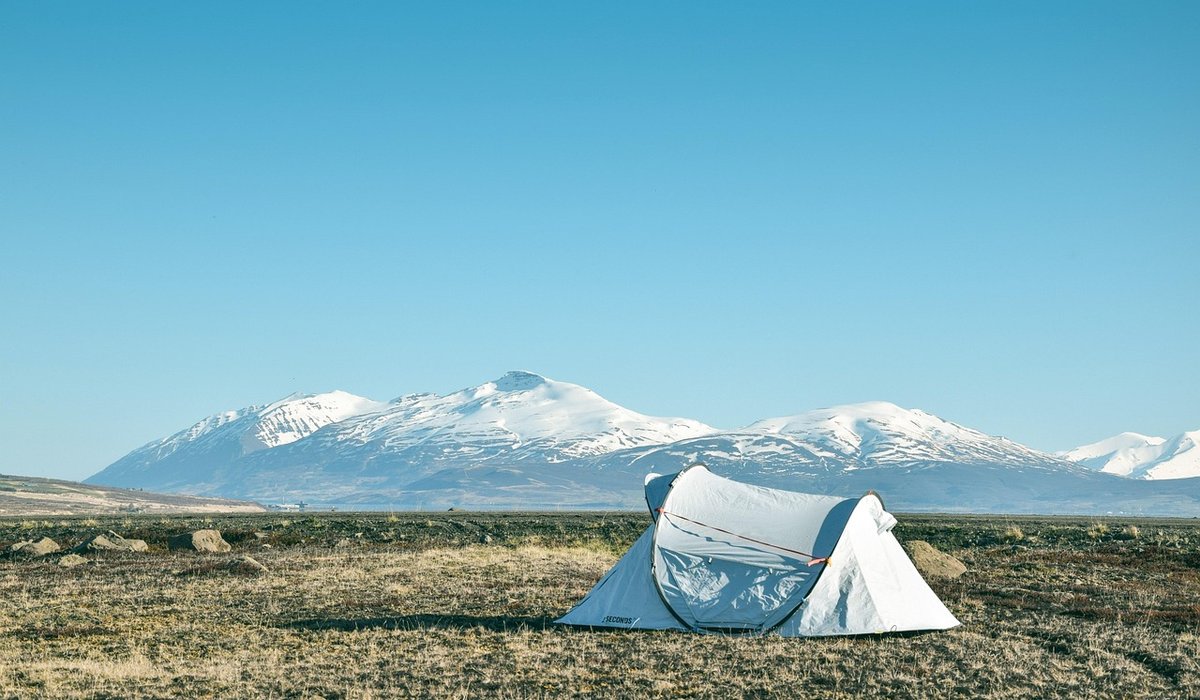
Choosing Waterproof Boots for Wet Boggy Ground
Scottish glens are magnificent in any weather, but after a night of rain they become a testing ground for your feet. Boggy hollows, peat hags, tangled heather and hidden burns can turn a pleasant walk into a proper expedition. If you are wild camping, your boots are not just footwear; they are your shelter from cold, wet ground and your best tool for moving safely with a loaded pack. When you are choosing waterproof boots for wet boggy ground, always look for deep tread, a stiff sole, and good ankle support. Everything else — membrane, leather, laces, colour — is secondary to those three foundations.
What Scottish Glens Ask of a Boot
Think of the ground you will actually meet: sphagnum moss that holds water like a sponge, dark peat that sucks at your soles, deer grass tussocks that roll underfoot, and heather that hides knee-deep holes. Add steep, rocky glen sides, gravelly tracks, and burn crossings that can rise fast. A boot for this terrain needs to keep water out for hours, grip when the ground is more liquid than solid, and support your ankles when you cannot see where you are stepping. Lightweight trail shoes are brilliant on dry paths, but with a wild camping pack they often fold, twist, and let water in. For Scottish glens, choose a boot with a bit more substance.
Deep Tread: Grip in Bog and Heather
Deep tread is your first defence. Look for lugs around 4–5mm deep, spaced widely enough to shed mud rather than clog. A chevron or multi-directional pattern works well: it bites going uphill, brakes on descents, and clears itself as you walk. A pronounced heel brake helps when you are descending wet grass or steep peat. Check the rubber compound, too. Hard, shiny rubber can skid on wet rock and roots; a softer, sticky compound grips better, though it may wear faster on stony tracks. If the tread looks shallow and tightly packed, it will fill with bog and become a slick. Press your thumb into the lugs in the shop; if they feel hard and unyielding, think again. Deep, open tread is not fashionable, but it is what keeps you upright when the glen turns to soup.
Stiff Soles: Support for Long Days and Heavy Packs
A stiff sole is about more than durability. It gives torsional rigidity, so your foot does not twist when you stand on a tussock or a hidden rock. It provides a stable platform for edging across steep, wet slopes and for stepping up peat hags. It also protects the soles of your feet from sharp stones and roots, which matters when you are carrying a tent, sleeping bag, food and water. A boot that flexes too easily will leave your feet aching and your ankles working overtime. Look for a sole that bends only at the toes, with a shank or rock plate under the midfoot. Stiff does not mean uncomfortable — a well-designed boot should still roll forward naturally. But if you can fold it in half with your hands, it is probably too soft for serious bog and rough glen ground.
Ankle Support in Heather and Rough Ground
Heather, tussocks and bog holes are ankle traps. A high cuff, a padded collar and a secure heel hold make a real difference. The boot should grip your heel so your foot does not slide forward on descents, and it should lace close around the ankle without pinching. Try a heel-lock lacing technique: use the top hooks to pull your heel back into the pocket. Ankle support is not a substitute for strong legs and careful steps, but it buys you time and confidence when the ground is unpredictable. If you have weak ankles or a heavy pack, choose a boot with a higher cuff and a stiffer upper. If you are mostly on good tracks, a mid-height boot may be enough, but for wild camping in the glens, err on the side of support.
Waterproofing and Breathability
Waterproofing matters because wet feet get cold, and cold feet end trips. A waterproof membrane, combined with full-grain leather, nubuck or a robust synthetic upper, will keep out splashes, dew and short boggy sections. No boot is fully submersible, so avoid standing in deep water; if a burn is high, cross at a safe place or turn back. Gaiters are essential in deep heather and bog, keeping out water, mud and seeds. Breathability matters too, because sweat can soak your socks from the inside. Wear a thin liner sock and a wool or synthetic walking sock, and carry spare socks. At camp, change into dry socks and camp shoes, and let your boots air. Never dry them on a fire or radiator; stuff them with newspaper or a cloth and dry them slowly in a porch or tent vestibule.
Fitting, Care and Field Craft
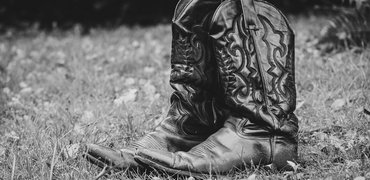
Fit is everything. Try boots on with the socks you will wear, ideally late in the day when your feet are slightly swollen. You need a thumb’s width at the toe, no heel slip, and enough width for your toes to spread. Break them in on short walks before a long glen trip. After each outing, rinse off mud and peat, dry them slowly, and reproof the leather or fabric. In the field, use trekking poles for balance on bog and steep ground, test boggy patches with a pole before committing, and loosen laces slightly for river crossings to allow quick removal if you fall. Good boots, looked after, will serve you for years. They are not the cheapest part of your kit, but in a wet Scottish glen they are among the most valuable.


Hill Walks
-
This easy low-level route always offers woodland, shoreline, open views, and wildlife without committing to a full day.
Wild Camping


-

Long established fact that a reader will be distracted
-

Long established fact that a reader will be distracted
-

Long established fact that a reader will be distracted




Long Distance
Karla Gleichauf
12 May 2017 at 05:28 pm
On the other hand, we denounce with righteous indignation and dislike men who are so beguiled and demoralized by the charms of pleasure of the moment
M Shyamalan
12 May 2017 at 05:28 pm
On the other hand, we denounce with righteous indignation and dislike men who are so beguiled and demoralized by the charms of pleasure of the moment
Liz Montano
12 May 2017 at 05:28 pm
On the other hand, we denounce with righteous indignation and dislike men who are so beguiled and demoralized by the charms of pleasure of the moment