

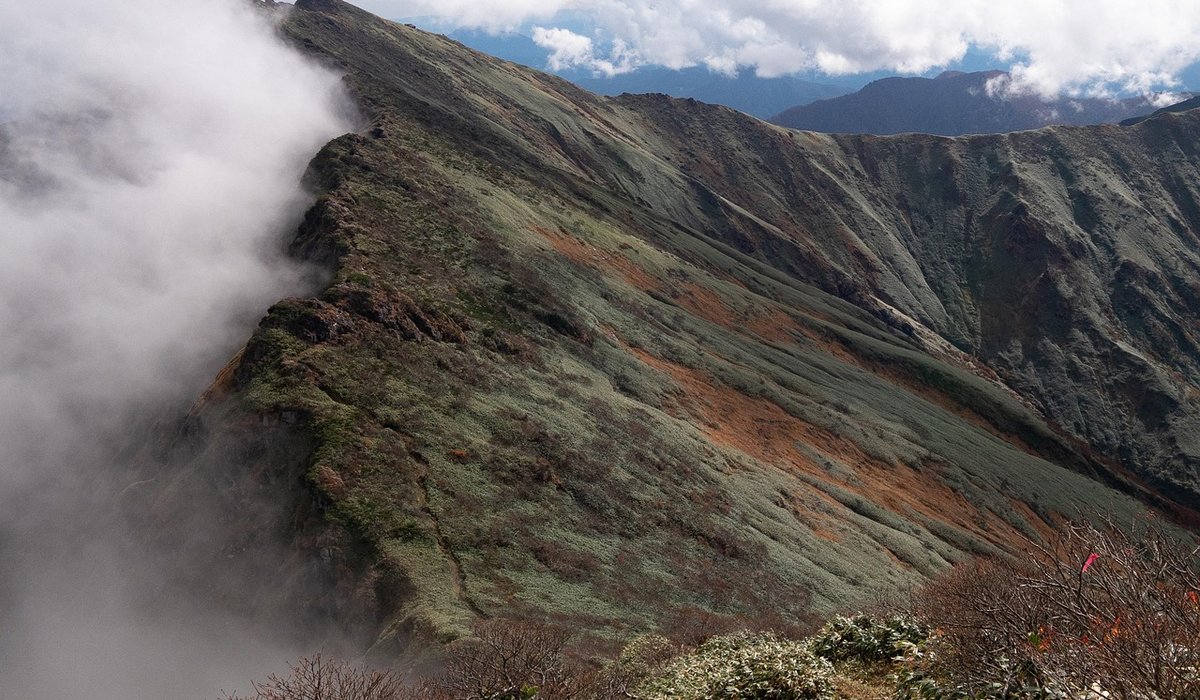
Planning a Long Distance Route Across the Highlands
A long distance route across the Highlands is one of the finest things you can do with a pair of boots and a rucksack. It is also one of the easiest ways to get yourself into genuine difficulty if you treat it as a series of hills rather than a single, continuous journey. The difference between a memorable crossing and a miserable one usually comes down to planning long before you leave the car park.
Break the Journey into Manageable Days
The most common mistake is planning in kilometres rather than in hours and effort. A glen that looks like an easy 25 km on the map can take nine or ten hours once you add bog, boulder fields, river crossings and a heavy pack. Highland terrain rarely behaves, and a route that crosses three low passes is a very different beast to one that climbs a single Munro.
Work backwards from what you can genuinely sustain, day after day, with a loaded pack. For most hillwalkers that means six to eight hours of moving time, covering somewhere between 15 and 22 km, depending on the ground. Build in a shorter day every third or fourth day. That rhythm gives your body a chance to recover, and it gives you a buffer for the afternoon when the weather turns and progress slows to a crawl.
- Estimate on distance plus ascent, not distance alone. A 15 km day with 900 m of climbing is a full day's work.
- Add time for river crossings after rain, especially in the west where burns rise fast.
- Plan your first and last days short. They are usually lost to travel and to tired legs.
- Identify a bail-out point on every day, ideally a track or a bothy where you could escape if needed.
Choose Your Sleep Spots Before You Go
Wild camping in Scotland is legal on most unenclosed land under the Scottish Outdoor Access Code, but legality and practicality are two different things. A flat, dry, sheltered pitch on the right side of a river is worth more than an extra two kilometres of progress, and finding one in failing light at the end of a long day is no fun at all.
Read the map carefully for your overnight options. Look for contour lines that flatten out, spurs that offer shelter from the prevailing south-westerly, and ground that is not marked as marsh. Avoid pitching on the only patch of dry grass for a mile if it sits on a heavily used estate track or a deer lawn. Camp high enough to escape midges if there is any breeze, but not so high that you are exposed to the wind.
Pack out everything you bring in, including food waste and used toilet paper. Bury human waste at least 30 m from water and 15 cm deep, and carry it out where the ground is too thin or too busy. Leave no trace, and leave the bothies as you would wish to find them.
Plan Your Resupply Carefully
Food is the heaviest thing you will carry, and the Highlands do not offer many shops. A resupply point is not just a village; it is a village with a shop, opening hours that match your arrival, and ideally a post office or a place that accepts a parcel. Some walkers post food boxes ahead to themselves, which works well if you can match delivery dates to your schedule with a margin.
Assume you need around 800 to 1,000 grams of food per person per day for a demanding route, and choose calorie-dense items. Oats, pasta, couscous, nuts, cheese, cured sausage, dark chocolate and olive oil all earn their weight. Dehydrated meals are convenient but expensive, and they are less satisfying than a real bowl of pasta after eight hours on the hill.
- Carry one full day's food more than your plan requires. Weather delays are normal.
- Spend the first night in a village or near a shop so you can eat a fresh meal before the weight goes on your back.
- Plan water around natural sources, but carry a filter or purification tablets and always treat water from open hillsides.
- Refuel with a hot drink and a proper meal at resupply points, then repack light.
- Check shop opening hours and seasonal closures. Many Highland shops shut on Sundays or close early.
Book Transport Early
The Highlands are large, and the distance between a trailhead and a railway station can be 40 miles of single-track road with no bus. Book train and coach tickets as soon as your dates are fixed, because services are limited and seats on popular routes sell out in summer. Where you can, use the train to reach your start point and arrange a lift, a bus or a pre-booked taxi to your finish.
Think about the shape of your journey at both ends. A linear route needs transport at the start and the finish, and the finish is usually the harder one to solve. Sometimes it is worth reversing the route, or adding a short link stage, to land at a place with a station or a regular service. If you are relying on a ferry, check the timetable twice and keep a day of slack in hand.
Tell someone at home your route, your intended camps and the date you expect to finish. Leave them a copy of the plan and agree on a check-in schedule. A personal locator beacon is not overkill on a remote crossing, and a paper map and compass should always be in your pack alongside any phone.
Build Your Skills Before You Go
The outdoors skills that matter on a long route are simple but unforgiving: navigation in cloud and darkness, river crossing judgment, pitching a tent in wind, and knowing when to stop. Practise them on shorter trips. Do one overnight wild camp near home, navigate a leg in poor visibility, and try cooking in the rain. Confidence comes from repetition, not from reading.
Fitness matters too, but the specific fitness for carrying a heavy pack over rough ground is built by doing exactly that. Weekend hill days with a loaded rucksack will teach you more about your pace than any gym session. Get out, get wet, and learn your own limits before the Highlands set them for you.


Hill Walks
-
Essentials always include waterproofs, spare warm layers, food, water, map, compass, and a head torch, even in summer.


Wild Camping




-

Long established fact that a reader will be distracted
-

Long established fact that a reader will be distracted
-

Long established fact that a reader will be distracted




Long Distance
Karla Gleichauf
12 May 2017 at 05:28 pm
On the other hand, we denounce with righteous indignation and dislike men who are so beguiled and demoralized by the charms of pleasure of the moment
M Shyamalan
12 May 2017 at 05:28 pm
On the other hand, we denounce with righteous indignation and dislike men who are so beguiled and demoralized by the charms of pleasure of the moment
Liz Montano
12 May 2017 at 05:28 pm
On the other hand, we denounce with righteous indignation and dislike men who are so beguiled and demoralized by the charms of pleasure of the moment