

How to Plan a First Wild Camp in a Scottish Glen
Why a Scottish Glen Is the Perfect First Wild Camp
A glen gives you something rare in British backpacking: a long, sheltered valley floor where you can walk in for a few hours, pitch a tent beside a burn, and wake to hills rising on both sides. You do not need summit-level experience, and you do not need to carry a heavy alpine kit. What you do need is a sensible plan, a decent understanding of where you are allowed to camp, and enough water and warm layers to stay comfortable when the weather turns.
Scotland's access legislation is generous by UK standards. Under the Land Reform (Scotland) Act 2003, you have a statutory right of responsible access to most land, including wild camping, provided you follow the Scottish Outdoor Access Code. That means small numbers, short stays of two or three nights in one spot, no fires on peat or in sensitive areas, and leaving no trace. Low-impact camping is legal in many glens, but not all. Some areas, notably parts of Loch Lomond and the Trossachs, require a permit between March and September. Check before you travel, and always read local signage on arrival.
Choosing a Glen That Suits a First Trip
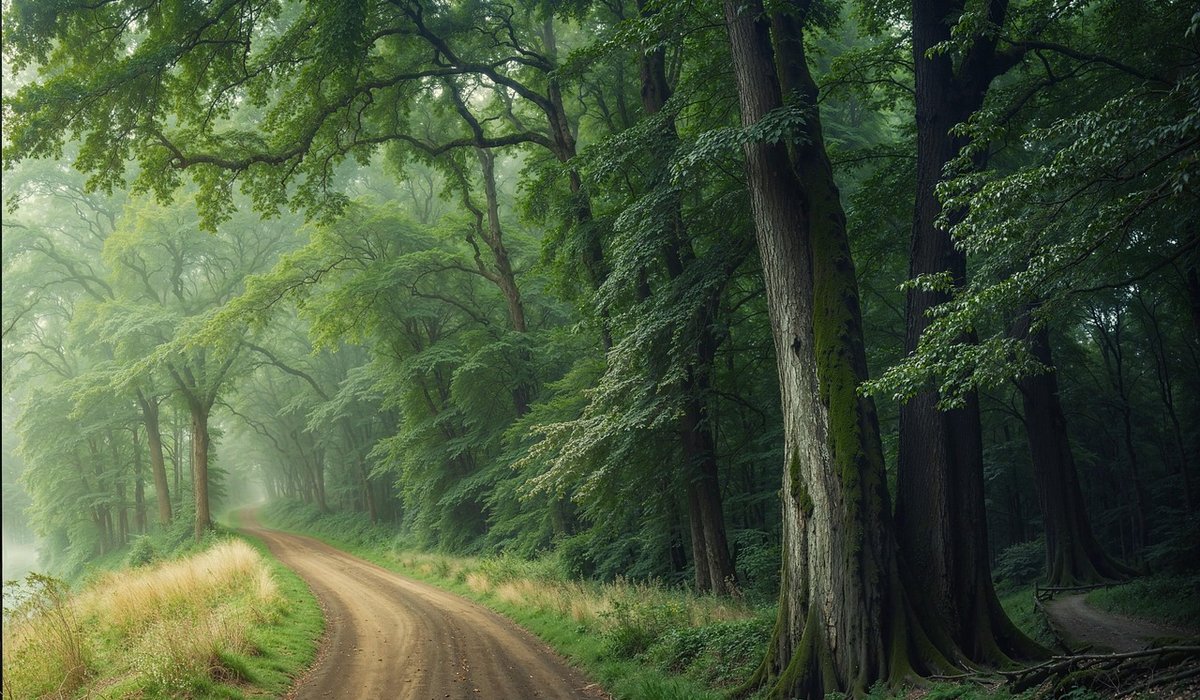
For a first wild camp, look for a glen with a clear path in, reliable water, and a modest walk of two to three hours. This gives you time to make mistakes without consequences and keeps the carry weight bearable. A broad, wooded glen is easier than a narrow, high-sided one, because you get more flat ground and better shelter from wind.
Before committing, study the map for a few key features:
- Contour spacing. Widely spaced lines along the valley floor mean gentler gradients and more pitching options.
- Watercourses. A burn shown on the map gives you a dependable water source, but camp at least 30 metres from it to protect banks and avoid flooding.
- Tree cover. A band of native woodland offers wind shelter and softer ground, and often marks better-drained spots.
- Escape routes. Note a lower-level path out in case the weather closes in and you decide to walk back early.
Avoid ground that looks flat and green in the middle of a valley bottom. It is usually boggy, and it is often the coldest place to spend the night as damp air settles there.
Water, Food and What Actually Goes in the Pack
Water is the item most first-timers underestimate. You will need roughly two litres per person for drinking and cooking overnight, plus more if the walk in is warm or long. In most glens, water from a fast-flowing burn high up is reasonably clean, but you should still treat it. A small filter or purification tablets add little weight and remove the guesswork. Do not take water from slow, lowland burns, and avoid anything below grazing or buildings.
For food, keep it simple and calorie-dense. A dehydrated meal, porridge sachets, nuts, oatcakes and a flask of hot drink will see you through comfortably. A small gas stove is ideal because it is controllable and leaves no trace. If you do want a fire, use a raised fire bowl or a stove, keep it small, and only burn dead wood where fires are permitted. In dry spells, and across much of Scotland in spring, fire risk can be high enough that a stove is the only sensible option.
Your packing list for a summer glen camp should cover:
- Shelter. A three-season tent with a full inner, or a tarp if you are confident in your pitching.
- Sleeping system. A mat with a decent R-value and a bag rated a few degrees below the forecast low.
- Layers. Midge net, warm hat, gloves, and a waterproof shell, even in July.
- Navigation. Paper map, compass, and a charged phone in a waterproof case.
- Essentials. Head torch, first aid kit, blister plasters, and a trowel for burying waste.
Picking a Pitch and Settling In
Arrive with daylight to spare, ideally by late afternoon. Walk past the first tempting flat spot, which is often the most worn and the dampest. Look for ground that is slightly raised, level enough to sleep on without sliding, and sheltered from the prevailing wind. In Scotland, that usually means the leeward side of a knoll or a stand of trees, not the exposed middle of the valley.
Pitch with the tent's lowest corner facing downhill, so any rain runs away from the door. Keep guy lines visible and use something bright if the light is fading. Once the tent is up, change into dry clothes immediately, hang damp items to air, and get a hot drink inside you. This small routine does more for your comfort than any piece of gear.
Outdoor Skills Worth Practising Before You Go
You do not need advanced bushcraft, but a handful of skills make a real difference. Practise pitching your tent in the garden or a local park until you can do it in ten minutes in the dark. Learn to read a map with a compass, and check your pace against a known distance on a lowland walk. Get used to using a stove in breezy conditions, shielding it behind your rucksack.
Also learn to recognise when to turn back. In a glen, weather can change quickly as cloud drops between the hills. If the forecast is poor, choose a lower route or postpone. The hills will still be there.
Leaving No Trace and Staying Safe
Wild camping works only because people treat these places well. Bury human waste in a hole 15 to 20 centimetres deep, well away from water, and carry out all rubbish including food scraps and tea bags. Leave gates as you find them, keep dogs under control, and avoid disturbing wildlife, especially during the bird breeding season from March to July.
Tell someone your route and expected return time. Have a backup plan and a phone number for mountain rescue, but remember that phone signal in glens is patchy at best. A personal locator beacon or satellite messenger is worth considering once you start camping in more remote glens. Take your time, start small, and your first night under a Scottish sky will likely be the first of many.


Hill Walks
-
Cloud caps, wind shifts, and sudden temperature drops can signal changing conditions; learn to spot them early.

Wild Camping



-

Long established fact that a reader will be distracted
-

Long established fact that a reader will be distracted
-

Long established fact that a reader will be distracted



Long Distance
Karla Gleichauf
12 May 2017 at 05:28 pm
On the other hand, we denounce with righteous indignation and dislike men who are so beguiled and demoralized by the charms of pleasure of the moment
M Shyamalan
12 May 2017 at 05:28 pm
On the other hand, we denounce with righteous indignation and dislike men who are so beguiled and demoralized by the charms of pleasure of the moment
Liz Montano
12 May 2017 at 05:28 pm
On the other hand, we denounce with righteous indignation and dislike men who are so beguiled and demoralized by the charms of pleasure of the moment