

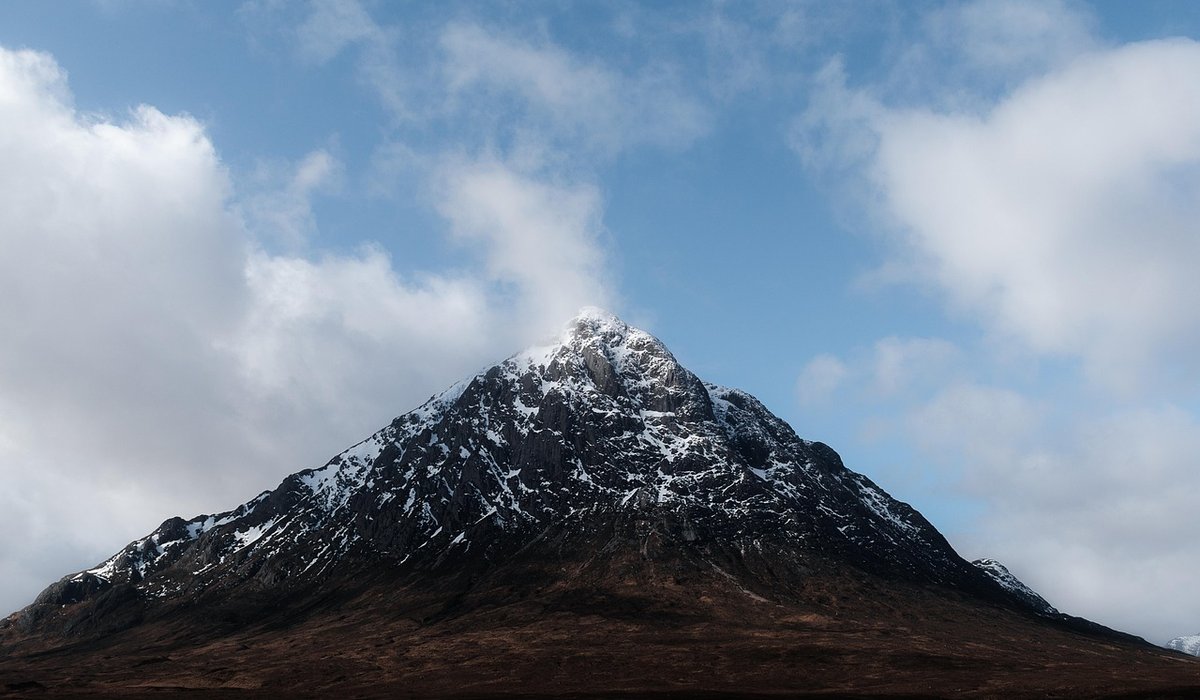
Choosing a Bothy for a Remote Winter Overnight
There is a particular magic to a Scottish glen in winter. A remote bothy overnight can turn a hard day into a memorable adventure. But choosing the right bothy — and treating it well — separates a brilliant trip from a miserable one. Always check maintenance notices, carry a candle and fuel, and leave the space cleaner than you found it.
Read the Notices and Recent Reports
Before falling in love with a bothy on a map, check maintenance notices and recent reports. A damaged roof, blocked chimney, missing stove or frozen water supply changes everything. Winter storms bring fallen trees and washed-out bridges. Some estates close tracks for deer stalking. Check whether the approach crosses a river that can rise fast. If heavy rain or a rapid thaw is forecast, choose a bothy with a safer approach. A bothy is only as good as your ability to reach it.
Match the Bothy to Your Team and the Conditions
Not all bothies are equal. Some sleep four; others hold a dozen. In winter, a small bothy fills quickly on a Saturday night. Have a backup plan. Large groups should consider a larger bothy or split up. Solo walkers might value company, but a remote bothy offers solitude and greater commitment. Consider altitude and aspect. A high moorland bothy is colder and more exposed. Snow can block the door or drift over windows. The approach might demand crampons. A two-hour summer walk can take four in winter. Choose a bothy you can reach before dark, and always have an alternative.
Pack the Essentials: Candle, Fuel and Warmth
A candle is a tool. It gives light, warmth, and a way to dry socks. Carry a sturdy candle in a safe holder, plus spare matches in a waterproof container. Fuel is vital. Many bothies have no stove, and those that do may be broken. Carry your own stove and enough fuel to cook and melt snow. Do not rely on firewood. Your sleeping system must be up to the job. Take a bag rated to at least -10°C and a mat with good insulation. Add a foam mat under an inflatable. Pack spare dry layers, a hat, gloves and thick socks. A head torch, first aid kit, stove repair kit and emergency shelter are essential. A carbon monoxide alarm is wise if you cook inside, though ventilation is your first defence.
Arrive Early, Ventilate and Stay Safe
In winter, aim to arrive by mid-afternoon. You need time to sort kit, melt water and eat before the cold bites. Leave boots and wet gear in the porch. Set your sleeping mat away from the door and stove. Place candles on a stable, non-flammable surface and never leave them unattended. Ventilation is non-negotiable. If you cook inside, open a window or vent. Carbon monoxide is odourless and deadly. Use your stove in a well-ventilated area and never take a smouldering stove into your sleeping bag. If there is a fireplace, use it only if safe and you have suitable fuel. Never burn furniture or rubbish. Keep the door closed to keep heat in, but ensure fresh air flows.
Live by the Bothy Code: Leave It Better
The bothy code is simple: leave the place cleaner than you found it. Carry out all rubbish, including food scraps and candle stubs. Sweep the floor. If you use the last firewood, replace it or leave a note. Report damage or maintenance issues so repairs can be made.
- Respect other users: make room, keep noise down, share the space.
- Never monopolise the fire or the best sleeping spot.
- If someone arrives late and soaked, help them settle in.
- Take a spare bin bag to pack out rubbish others have left.
A bothy is a shared resource, kept alive by goodwill. In winter, that goodwill matters even more. A clean, dry, welcoming bothy can save a life.
Winter Skills and Knowing When to Turn Back
Choosing a bothy is only half the battle. You need the skills to get there and back safely. Winter navigation in a whiteout is demanding. Practise your map and compass work. Carry an ice axe and crampons if the ground is likely to be frozen, and know how to use them. Check the weather and avalanche forecasts. Avoid steep, loaded slopes. Be cautious at river crossings — a knee-deep burn can knock you off your feet. Tell someone your plans, including escape routes. Carry a means of communication, but do not rely on it. The most important skill is humility. If conditions are beyond your experience, choose a lower, more accessible bothy. There is no shame in turning back. The best winter bothy trip is the one where you arrive safely, sleep well, and leave the place tidy. That is the real reward.


Hill Walks
-
Always learn to use contour lines, bearings, natural features, and mist when the path fades into open hillside.

Wild Camping



-

Long established fact that a reader will be distracted
-

Long established fact that a reader will be distracted
-

Long established fact that a reader will be distracted




Long Distance
Karla Gleichauf
12 May 2017 at 05:28 pm
On the other hand, we denounce with righteous indignation and dislike men who are so beguiled and demoralized by the charms of pleasure of the moment
M Shyamalan
12 May 2017 at 05:28 pm
On the other hand, we denounce with righteous indignation and dislike men who are so beguiled and demoralized by the charms of pleasure of the moment
Liz Montano
12 May 2017 at 05:28 pm
On the other hand, we denounce with righteous indignation and dislike men who are so beguiled and demoralized by the charms of pleasure of the moment