

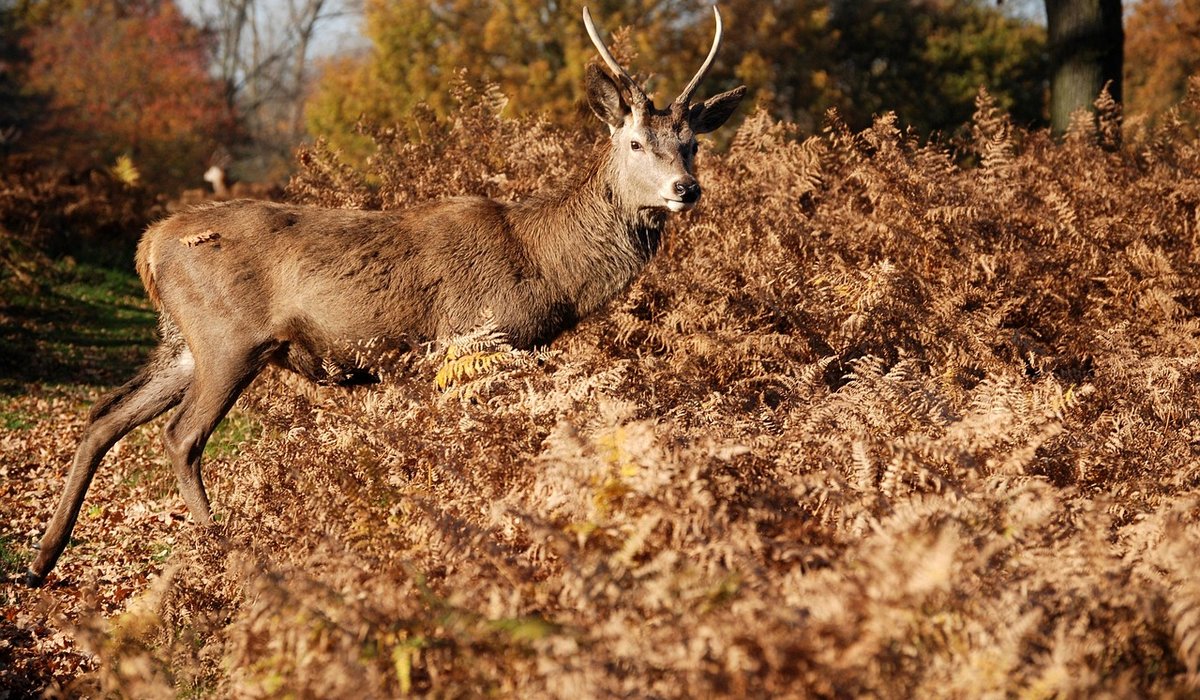
Winter Skills for Walking in the Scottish Hills
Winter in the Scottish hills is a serious business. The glens may look peaceful under a dusting of snow, but the plateaus and ridges can feel like the Arctic. Whether you are heading up a Munro or exploring a lower glen, the right skills and kit make the difference between a memorable day and a call to mountain rescue. This article covers the core winter skills every hillwalker should develop.
Start with the Forecast and a Plan
Before you leave the house, check two things: the mountain weather forecast and the daily avalanche forecast. The weather forecast tells you about wind speed, temperature, cloud base and precipitation. In Scotland, wind is often the deciding factor. A steady 40 mph wind with a temperature of -5°C can create a wind chill of below -20°C, which is dangerous without proper protection.
The avalanche forecast gives you a hazard rating and details of which aspects and elevations are most at risk. Read it carefully. A "considerable" rating on north-facing slopes above 800 metres means you should avoid those slopes entirely. Plan a route that stays on gentle terrain or follows ridges where snow is scoured.
Also check daylight hours. In midwinter, you might have only six or seven hours of usable light. Turnaround times are not optional. Tell someone your route and expected return time.
Ice Axe and Crampons: Carry Them, Know Them, Use Them
An ice axe and crampons are not optional extras in winter. Even a modest glen walk can cross a steep, icy path where a slip could be serious. Carry them on your pack, but more importantly, know how to use them.
- Ice axe: Choose a length that reaches from your fingertips to the ground when you stand. Carry it with the head forward and the spike pointing back, so you can switch hands quickly. When traversing, hold it in the uphill hand, with your palm over the head and your thumb under the pick.
- Crampons: Fit them before you leave the car park and check the bindings again after ten minutes of walking. Use a flat-footed technique on gentle slopes, keeping all points in contact with the snow. On steeper ground, kick in with the front points. Keep them sharp and dry them after every trip.
- Cutting steps: On short, steep sections, you can cut steps with the adze of your axe. This is slower but safer than relying on crampons alone.
Self-Arrest: Practise Until It Becomes Reflex
Self-arrest is the technique you use to stop a slide on snow. It is not something you can learn from a video. You must practise it regularly, ideally at the start of every winter season and again mid-season.
Find a safe, moderate slope with a runout. Put on your crampons and helmet (yes, a helmet is wise). Lie on your front, head uphill, and hold the axe in your uphill hand. The pick should be under your shoulder, with your hand over the head. To arrest, roll onto your stomach, drive the pick into the snow, and hold on. Keep your legs apart and your weight over the axe.
- Practise from every position: head uphill, head downhill, on your back, on your side.
- Practise without crampons first, then with them. Crampons can catch and cause injuries if you slide.
- Always use a safe slope with a clear runout. Never practise above a cliff or a crevasse.
The goal is to make the movement automatic. When you slip, you will have less than a second to react.
Avalanche Awareness: Read the Forecast, Read the Slopes
Avalanches in Scotland are usually small, but they can still kill. Most accidents happen when people ignore the forecast or fail to recognise a dangerous slope. The classic trigger is a slope of 30 to 45 degrees, with a convex shape and a recent wind-loaded deposit.
Before you commit to a slope, ask yourself: what is the angle? What is underneath? Has the wind been loading this side? Can I see signs of recent avalanches? If in doubt, turn around. No summit is worth your life.
- Carry a transceiver, probe and shovel if you plan to travel on or near avalanche terrain. Know how to use them.
- Travel one at a time on suspect slopes. Watch each other from a safe spot.
- Avoid cornices. They can break far back from the edge.
Navigation, Warmth and Emergency Readiness
Winter navigation is harder. Paths disappear, features look different, and whiteout conditions can erase the horizon. You need a map, compass and the skill to use them. A GPS is useful, but batteries die in the cold. Carry spare batteries or a power bank.
Stay warm by managing your layers. Start cold, then add a layer before you get cold. Wear a windproof and waterproof shell. Carry spare gloves, a hat, and goggles. Eat and drink regularly, even if you don't feel like it. A flask of hot soup is a morale booster.
If you are wild camping in winter, you will need a four-season tent, a winter sleeping bag, and an insulated mat. Choose a spot sheltered from the wind and away from avalanche runout zones. Melt snow for water, but remember it takes fuel and time.
Your emergency kit should include a group shelter, a bivvy bag, a headtorch with spare batteries, a first aid kit, and a means of calling for help. Know how to use a whistle and a torch to signal. If someone is injured, keep them warm and sheltered while you get help.
Winter walking in the Scottish hills is deeply rewarding. The glens are quiet, the views are vast, and the sense of achievement is huge. With the right skills, the right kit, and a healthy respect for the conditions, you can enjoy it safely. Start with a short, low-level walk, build your experience, and always come home.


Hill Walks
-
Choose a sheltered spot, check access rights, and carry enough water for a comfortable night under the stars.
Wild Camping



-

Long established fact that a reader will be distracted
-

Long established fact that a reader will be distracted
-

Long established fact that a reader will be distracted




Long Distance
Karla Gleichauf
12 May 2017 at 05:28 pm
On the other hand, we denounce with righteous indignation and dislike men who are so beguiled and demoralized by the charms of pleasure of the moment
M Shyamalan
12 May 2017 at 05:28 pm
On the other hand, we denounce with righteous indignation and dislike men who are so beguiled and demoralized by the charms of pleasure of the moment
Liz Montano
12 May 2017 at 05:28 pm
On the other hand, we denounce with righteous indignation and dislike men who are so beguiled and demoralized by the charms of pleasure of the moment