

iGaming Decoded: Casino, Betting, Slots & Poker Insights
Ever wondered why a slot machine’s spin feels so addictive or how a poker pro consistently outsmarts amateurs? The iGaming world is a sprawling jungle of chance, skill, and psychology. Whether you’re a casual bettor or a seasoned grinder, understanding the mechanics behind the games gives you a serious edge. Let’s cut through the noise and explore the real dynamics of casinos, sports betting, slots, and poker.
The House Edge: Why Casinos Always Win (Eventually)
Every game you play in a casino—physical or online—has a built-in mathematical advantage for the operator. That’s the house edge. It’s not a conspiracy; it’s how the business survives. For example, European roulette has a house edge of 2.7% (due to the single zero), while American roulette doubles that to 5.26% (thanks to the double zero). Blackjack, when played with perfect basic strategy, can shrink the house edge to around 0.5%. But most players don’t play perfectly, so the real edge is higher.
Slot machines are a different beast. Their house edge can range from 2% to 15% or more, depending on the game and the casino’s settings. Unlike table games, slots don’t require skill—just luck and bankroll management. Online slots often have a published RTP (Return to Player) percentage. A 96% RTP means the game pays back 96% of all wagered money over millions of spins. That doesn’t mean you’ll get 96% back in a session; variance is huge. If you want to dig deeper, SHBET is worth a look.
Key takeaway: Choose games with lower house edges if you want to stretch your bankroll. But remember, the house always has an edge—no system can eliminate it.
Sports Betting: Where Knowledge Meets Probability
Sports betting isn’t just about picking winners. It’s about finding value—when the odds imply a lower probability than you believe is true. Bookmakers set odds based on public opinion, injury news, and statistical models, but they also adjust to balance their books. That’s where sharp bettors thrive.
Consider this: A bookmaker offers 2.50 (decimal odds) on a team to win. That implies a 40% chance (1/2.50). If your analysis suggests the true probability is 45%, you have a value bet. Over time, betting value leads to profit. But most bettors bet with their hearts, not their heads. Emotional betting is the quickest way to the poorhouse.
Another factor: line movement. If a line moves from 2.50 to 2.30, money is coming in on that side. Sharps often bet early, before public money floods in. You can learn a lot by watching how lines shift.
For beginners, stick to major markets (NFL, NBA, English Premier League) where liquidity is high and odds are competitive. Avoid exotic props unless you have a strong edge.
Slot Machines: More Than Just Pretty Lights
Slots are the cash cows of iGaming, generating over 70% of casino revenue in many jurisdictions. But not all slots are created equal. Here’s what savvy players look for:
- RTP: Online slots often list RTP in the paytable or help menu. Aim for 96% or higher. Some progressive jackpot slots have lower RTP (around 92-94%) because part of each bet feeds the jackpot.
- Volatility: High volatility means rare but large wins; low volatility means frequent but smaller wins. Your bankroll and patience determine which suits you.
- Paylines and Mechanics: Megaways, cluster pays, and expanding reels add variety. Understand how wins are formed before spinning.
- Bonuses: Free spins, multipliers, and pick-me features can boost payouts. But they’re triggered randomly—no skill involved.
One common myth: slots are “due” for a win. They’re not. Each spin is independent, governed by a random number generator (RNG). The RNG cycles through thousands of numbers per second, and the outcome is determined the moment you hit spin. No pattern, no memory.
Poker: The Skill Game Hiding in Plain Sight
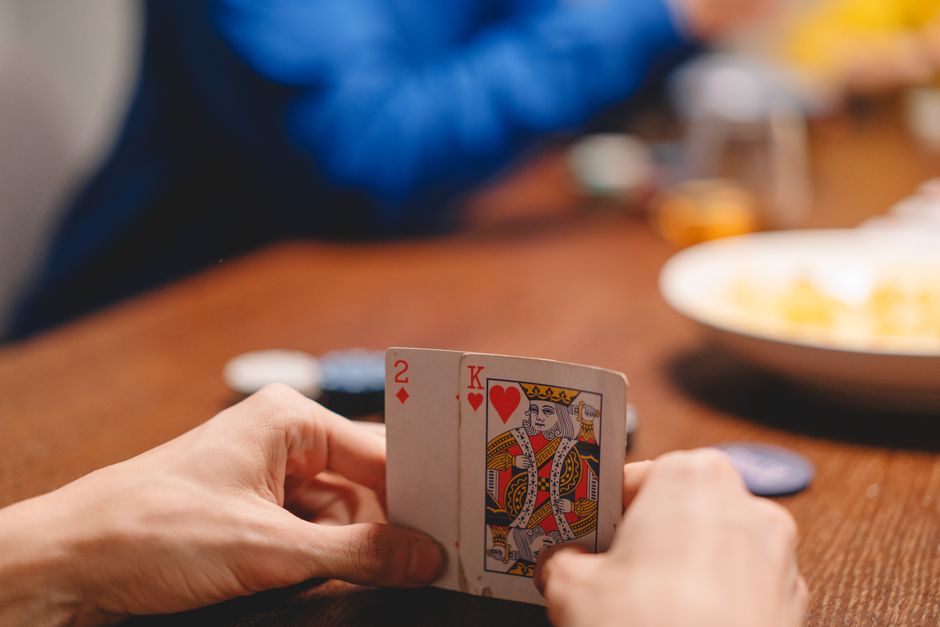
Poker is the only major iGaming vertical where long-term winners exist consistently. Why? Because it’s a game of skill wrapped in luck. In Texas Hold’em, the best hand wins only about 50% of the time pre-flop if you go to showdown. But over thousands of hands, skill dominates.
What separates winners from losers? Three things: There is a useful overview at SH BET.
- Position: Acting last gives you more information. Play tighter in early position, looser on the button.
- Bankroll Management: Never buy into a game with more than 5% of your total poker bankroll. Variance can wipe you out otherwise.
- Reading Ranges, Not Tells: Online, you can’t see physical tells. Instead, assign opponents a range of hands based on their actions. Then use math (pot odds, equity) to decide.
Poker also has a thriving ecosystem: cash games, tournaments (MTTs), sit-and-gos (SNGs), and spin-and-gos. The rake—the cut the house takes—varies. For cash games, it’s typically 5% capped at $3. For tournaments, it’s built into the buy-in. High-volume players often get rakeback deals, which can turn a marginal winner into a solid one.
Bankroll Management: The Unsung Hero
No matter which game you play, bankroll management is the difference between a fun hobby and a financial disaster. Here’s a simple framework:
- Casino games (slots, roulette): Set a session limit (e.g., $100) and never chase losses. Treat it as entertainment expense.
- Sports betting: Flat bet 1-2% of your bankroll per play. Avoid parlays unless you’re getting a bonus.
- Poker: For cash games, have at least 20 buy-ins for the stake you play. For tournaments, 50-100 buy-ins.
Also, separate your gambling bankroll from your life savings. Never gamble with money you can’t afford to lose. The emotional toll of losing rent money leads to terrible decisions.
Final Thoughts: Play Smart, Not Hard
iGaming offers endless entertainment, but it’s not a charity. The house has an edge, variance is a bitch, and tilt can destroy your bankroll in minutes. Yet, with the right knowledge—understanding house edges, value betting, RTP, and position—you can tip the scales slightly in your favor over the long run. Or at least, you can have more fun while losing less. Remember, the best gamblers are the ones who treat it like a business, not a lottery. So next time you fire up a slot, place a bet, or sit at a poker table, do it with your eyes open. That’s the real insider’s edge.


Hill Walks
-
Cloud caps, wind shifts, and sudden temperature drops can signal changing conditions; learn to spot them early.


Wild Camping




-

Long established fact that a reader will be distracted
-

Long established fact that a reader will be distracted
-

Long established fact that a reader will be distracted




Long Distance
Karla Gleichauf
12 May 2017 at 05:28 pm
On the other hand, we denounce with righteous indignation and dislike men who are so beguiled and demoralized by the charms of pleasure of the moment
M Shyamalan
12 May 2017 at 05:28 pm
On the other hand, we denounce with righteous indignation and dislike men who are so beguiled and demoralized by the charms of pleasure of the moment
Liz Montano
12 May 2017 at 05:28 pm
On the other hand, we denounce with righteous indignation and dislike men who are so beguiled and demoralized by the charms of pleasure of the moment