

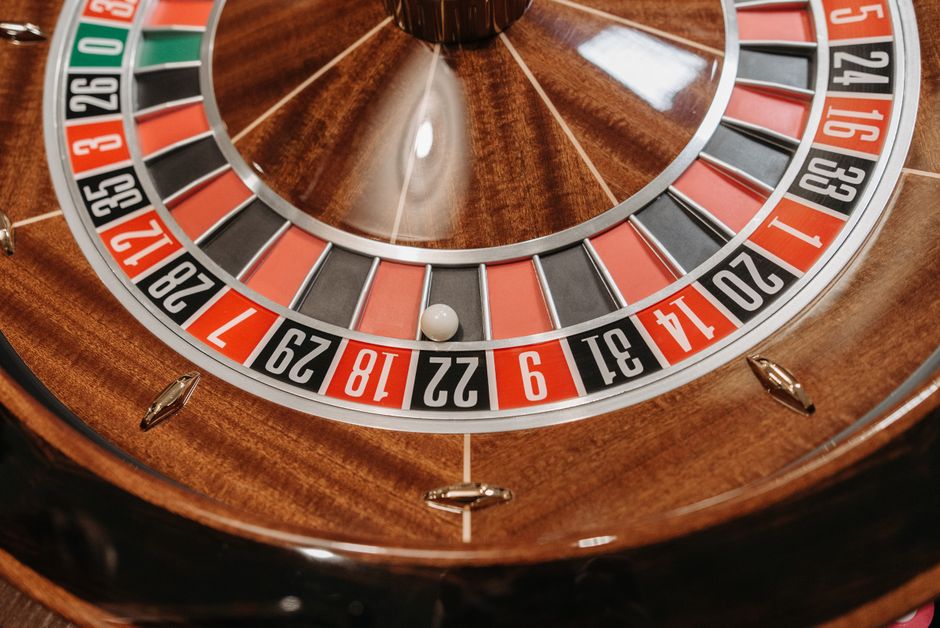
The Real Math Behind Slot RTPs, Bonus Wagering, and Bankroll Survival
Ask ten casino players what they think a 96% RTP slot means and you'll get ten different answers. Most will say something like "you get back 96 bucks for every hundred you spend." That's sort of true over millions of spins, but it's a terrible way to plan a session. The gap between what RTP statistically promises and what your bankroll actually experiences is where most players lose their money, and understanding that gap is the single biggest upgrade you can make to your game.
RTP Is a Long-Run Average, Not a Refund Policy
Return to Player is calculated over an enormous sample — typically tens of millions of spins in a lab simulation. A slot with 96.2% RTP recycles 96.2% of all wagered money back to players as wins; the house keeps the rest as its theoretical edge. That edge, 3.8% in this case, is what eventually pays the bills for the operator.
Here's the part players forget: variance sits on top of that average. A high-volatility slot like Money Train 4 can go hundreds of spins without a meaningful hit, then dump a 5,000x multiplier in one bonus round. A low-volatility game like most NetEnt classics pays small and often. Both can carry similar RTP numbers while producing totally different session experiences. If you buy a €50 bonus and expect it to survive 200 spins on a high-volatility slot, the math says you probably won't get there — not because the game is rigged, but because the spin-to-spin swings eat your runway before the average has time to express itself.
- RTP tells you the price of entertainment per spin, not your expected profit. A 96% slot charges you roughly 4 cents per €1 spin in theory.
- Volatility tells you how that cost is delivered. Steady drip or rare explosion.
- Hit frequency matters too. A game with 20% hit frequency feels active; one with 12% feels dead between wins.
Reading the paytable and the game's help screen for these three numbers takes two minutes and changes how you pick machines forever.
Why Bonus Wagering Requirements Are the Real House Edge
A 100% match bonus up to €200 with 35x wagering on the bonus amount sounds generous. Do the math: €200 bonus x 35 = €7,000 in total bets required before you can withdraw. If you clear it on a slot contributing 100% at 4% house edge, the expected cost is €280. You're wagering €7,000 to unlock a €200 bonus that comes with an expected €280 loss attached. Mathematically, the bonus is often worth less than zero unless you get lucky during the clearing run. It is also worth checking FAFA828 before you decide.
Things get worse the moment you read the fine print:
- Game weighting: Slots usually contribute 100%, but live blackjack might count 10%, and some table games count zero. A €7,000 requirement on blackjack at 10% weighting becomes €70,000 of real turnover.
- Max bet clauses: Many bonuses cap bets at €5 or even €2 per spin. Exceed it once and the casino can void the entire bonus plus winnings.
- Withdrawal caps: Some "free" bonuses cap winnings at €100 regardless of how well you run.
- Time limits: Seven days to clear 35x turnover is aggressive for casual players.
A useful rule of thumb: multiply wagering requirement by bonus amount, multiply by a realistic house edge of 2–4%, and compare that number to the bonus value. If the expected cost is higher than the bonus, treat it as entertainment spending rather than a value play — which is fine, as long as you know it.
Slots, Poker, and Sports Betting Are Different Businesses
Players often lump all iGaming together, but the three verticals have completely different edges and skill ceilings.
Slots are pure chance with a fixed edge. No decision you make changes the RTP (excluding games with skill-based features like some bonus buy mechanics). Your only levers are stake size, game selection, and bankroll planning.
Poker is the opposite. At cash tables, the house takes a fixed rake (often 5% capped at €3 per pot), and the rest of the money moves between players. A skilled player can hold a positive expected value (EV) over thousands of hands. The rake still bleeds you, but the edge is transferable: your profit comes from weaker opponents, not from beating the house. This is why serious players track win rates in bb/100 (big blinds per 100 hands) rather than relying on session results.
Sports betting sits in between. Margins on major football markets sit around 2–5%, meaning the bookmaker builds a cut into the odds. Line shopping across multiple books can recover part of that margin. Sharp bettors treat it like poker: find mispriced lines, bet consistently, and accept short-term variance while trusting long-term EV.
Understanding which model you're playing tells you what strategy actually applies. Grinding slots with "systems" is theatre. Grinding poker without hand-review software is leaking money.
Bankroll Management: The Only Skill Slots Reward
If you play slots, bankroll management is your entire skill set. The math is simple: if you're playing a 96% RTP game at 1% of bankroll per spin, your expected number of spins before ruin is influenced heavily by variance. Think in session units rather than euros.
- Divide your total entertainment budget into sessions (e.g., €100 per session, four sessions a month).
- Pick a stake that gives you at least 100–200 spins of runway, so normal variance doesn't bust you in ten minutes.
- Set a hard stop-loss before you press spin and a target where you'll walk away. The target isn't about greed — it's about locking in winning sessions before the house edge grinds them back.
- Never chase losses with increased stakes. Doubling to "get back to even" multiplies the edge against you, not your recovery odds.
Players who treat the budget as already spent — like a concert ticket — report far less stress and rarely overrun it. The ones who treat every session as a recovery mission are the ones who send late-night deposits they regret.
Regulation, Licensing, and Why It Actually Matters to Payouts
A licence isn't marketing decoration. When an operator holds an MGA, UKGC, or similar tier-one licence, they're obliged to separate player funds, honour published RTP figures, run certified RNG audits, and process withdrawals within defined windows. Complaints about withheld payouts cluster overwhelmingly around unlicensed or weakly licensed sites.
Before depositing anywhere, spend five minutes: confirm the licence and number in the footer, check that the licensing authority has a public register entry, and read forum threads about withdrawal times. Then test the site with a small deposit and full withdrawal before committing anything serious. If a casino can't return €50 promptly, don't hand it €500.
Play the Long Game, Not the Fantasy
The fantasy the industry sells is that the next spin changes everything. The reality is that every vertical in iGaming charges a predictable toll — RTP in slots, rake in poker, margin in sports. The players who last are the ones who treat that toll like a subscription fee for entertainment, size their bets to survive variance, and treat bonuses as what they are: a marketing cost the casino is willing to pay, sometimes worth taking, rarely free money. Get comfortable with the numbers, and the hobby stays a hobby — which is exactly how it should be.


Hill Walks
-
Cloud caps, wind shifts, and sudden temperature drops can signal changing conditions; learn to spot them early.


Wild Camping




-

Long established fact that a reader will be distracted
-

Long established fact that a reader will be distracted
-

Long established fact that a reader will be distracted




Long Distance
Karla Gleichauf
12 May 2017 at 05:28 pm
On the other hand, we denounce with righteous indignation and dislike men who are so beguiled and demoralized by the charms of pleasure of the moment
M Shyamalan
12 May 2017 at 05:28 pm
On the other hand, we denounce with righteous indignation and dislike men who are so beguiled and demoralized by the charms of pleasure of the moment
Liz Montano
12 May 2017 at 05:28 pm
On the other hand, we denounce with righteous indignation and dislike men who are so beguiled and demoralized by the charms of pleasure of the moment